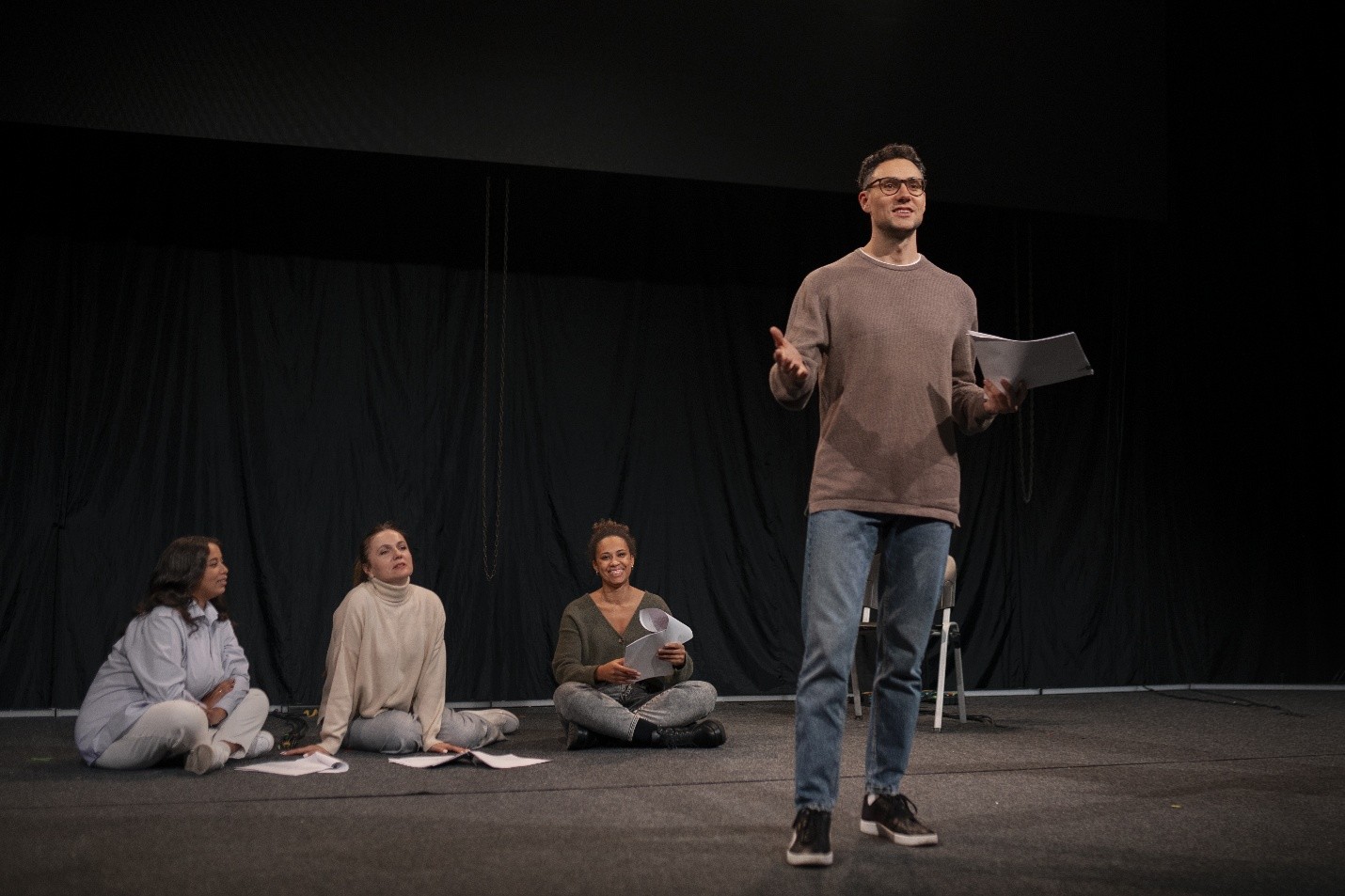
What Changes When a Professional Acting Coach Focuses on Your Weak Spots?
Even talented actors have areas that can hold them back. A professional acting coach looks closely at these weak points and gives focused guidance to turn them into strengths. By working on weak spots, actors perform with more confidence, improve their skills, and make a stronger impression in auditions and projects. Scene study and personal coaching help actors understand what makes each scene effective and how to deliver it convincingly.
Finding the Areas That Need Work
Many actors don’t notice habits that affect their performances. A professional acting coach watches carefully to spot these problems, such as talking too fast, overacting, or missing emotional cues. Coaches analyze how an actor delivers lines, moves, and reacts to partners to find patterns that may hold them back. Once actors know exactly what to fix, they can follow a clear plan and make real progress.
For example, an actor may not realize that they rush dialogue when nervous. The coach points it out and works on exercises to slow pacing and add emphasis where needed. This focused attention ensures improvement in areas that make the biggest difference in performance quality.
Turning Nervousness Into Control
Some weak spots come from nerves or a lack of focus. Coaches teach ways to use that nervous energy in a positive way. Through exercises like practice readings, improvisation, and repeated scene work, actors learn to stay calm and confident. This helps performances feel natural and strong.
Actors often learn breathing techniques, grounding exercises, or visualization methods to stay relaxed before and during scenes. Over time, what once was a source of anxiety becomes a tool for energy and expression, making each performance more engaging and controlled.
Making Lines Clear and Expressive
Actors sometimes struggle with speaking clearly or delivering lines in an interesting way. A coach helps with pacing, tone, and voice control so every line is easy to understand and engaging. Small changes in how lines are delivered can make a scene more exciting and believable.
For instance, emphasizing certain words, using pauses effectively, or adjusting tone can make dialogue feel authentic and powerful. Even minor improvements in delivery can dramatically increase audience engagement and make a character more memorable.
Showing Real Emotions
Good acting needs real feelings. Weaknesses in emotion can make a scene feel flat. Coaches help actors connect with what a character feels using memory, imagination, or simple exercises. When emotions feel real, performances become stronger and leave a lasting impact.
For example, an actor might practice a scene of sadness by recalling a personal experience and connecting it to the character’s situation. A coach guides how to channel these emotions safely, so they appear genuine on camera without overwhelming the actor.
Improving Timing and Reactions
Timing is very important in acting. A coach shows actors how to pause, react, and interact naturally. Practicing timing in class makes it easier to handle surprises, like changes in lines or partner reactions, without breaking character.
Exercises often include improvisation or repetition drills to help actors respond in the moment. Learning to notice small cues from co-actors and react accordingly adds realism and fluidity to performances, ensuring every scene feels alive and dynamic.
Getting Feedback That Helps You Grow
Feedback is a big part of learning. Professional coaches tell actors what works and what needs fixing, and show how to improve. Trying new approaches with guidance helps actors see quick results and build skills faster.
Peer feedback is also valuable. By observing others and comparing approaches, actors gain perspective and discover techniques they can adapt. This constant feedback loop accelerates growth and builds confidence for professional settings.
Turning Weak Spots Into Strengths
Weak spots can be turned into unique strengths. Coaches help actors use challenges to stand out. Hesitant speech can become a dramatic pause, small gestures can show hidden feelings, and careful reactions can make a character more interesting. These changes make actors more flexible and memorable.
With consistent practice and targeted guidance, what once seemed like a limitation becomes a defining skill that distinguishes an actor from others. This transformation builds versatility and professionalism.
Final Look:
At Lynette McNeill Studio, we focus on each actor’s weak spots. Our top acting coaches in Los Angeles work one-on-one to create plans that improve skills, confidence, and performance. We give exercises, advice, and personal guidance so actors can perform their best. Focusing on weak areas helps students become more polished, professional, and ready to stand out in auditions and roles.
Don’t let weak spots hold you back. Work with a professional acting coach at Lynette McNeill Studio and let our top acting coaches help you turn your challenges into strengths that shine on screen.
FAQs:
Q1: What does a professional acting coach do?
A professional acting coach identifies weak areas and provides targeted exercises to improve performance.
Q2: How can focusing on weak spots improve acting?
It helps actors build confidence, refine skills, and turn limitations into standout strengths.
Q3: Are weak spots the same for every actor?
No, each actor has unique challenges, and coaching is personalized to address individual needs.
Q4: Can working on weak spots affect audition performance?
Yes, targeted guidance ensures lines, timing, and emotion are polished for stronger auditions.
Q5: How long does it take to see improvement?
With regular practice and feedback, noticeable improvements can appear within a few coaching sessions.